


In this post I’ll go over the whole process for getting residency in Spain as a Brit with an EU spouse.
Can I just go and live in Spain?
Not anymore. As a Brit, you can stay a maximum of 90 days in a 180-day period. If you overstay, you risk getting a ban from the whole of the EU (typically 1-3 years).
By the way, I made this handy Schengen calculator to help you stay within the 90/180 day limit.
Context for the non-Brits: British people once enjoyed the freedom to travel, live, and work in any European Union country. But the over-65s voted against those freedoms in an attempt to gain back more freedom. We call this ‘Brexit’ – Britain Exit. Unfortunately, it didn’t work.

What are my rights if I have an EU spouse?
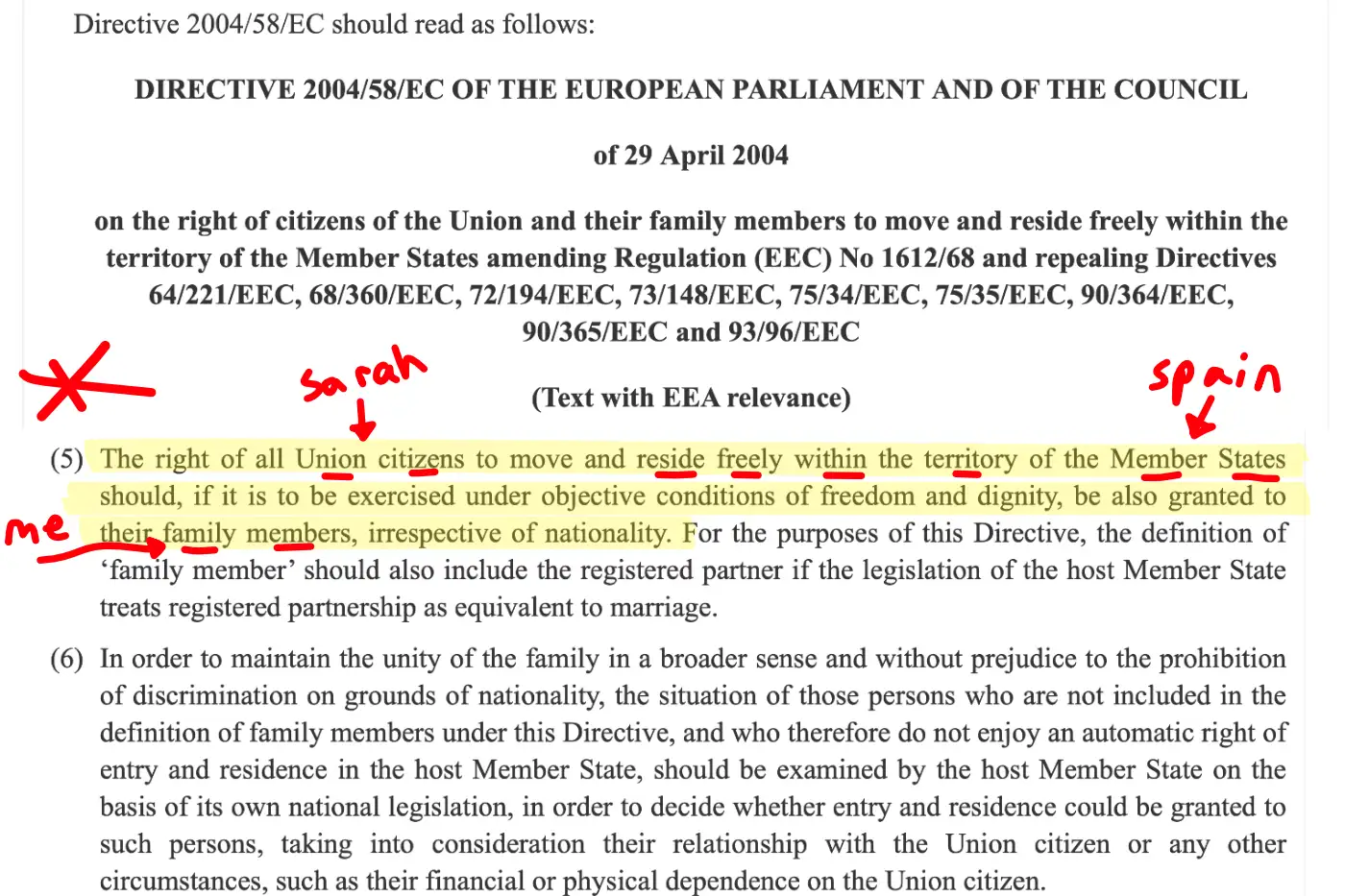
Post-Brexit I have what’s called ‘derived rights’ from Sarah (EU citizen). We can live in any EU country together (just not her home country of Sweden, weirdly).
These rights are outlined in Directive 2004/58/EC. Relevant Snippet below.
What are my rights if I have an EU spouse?
Here’s the overview of the process for getting residency in Spain, both for Sarah and I.
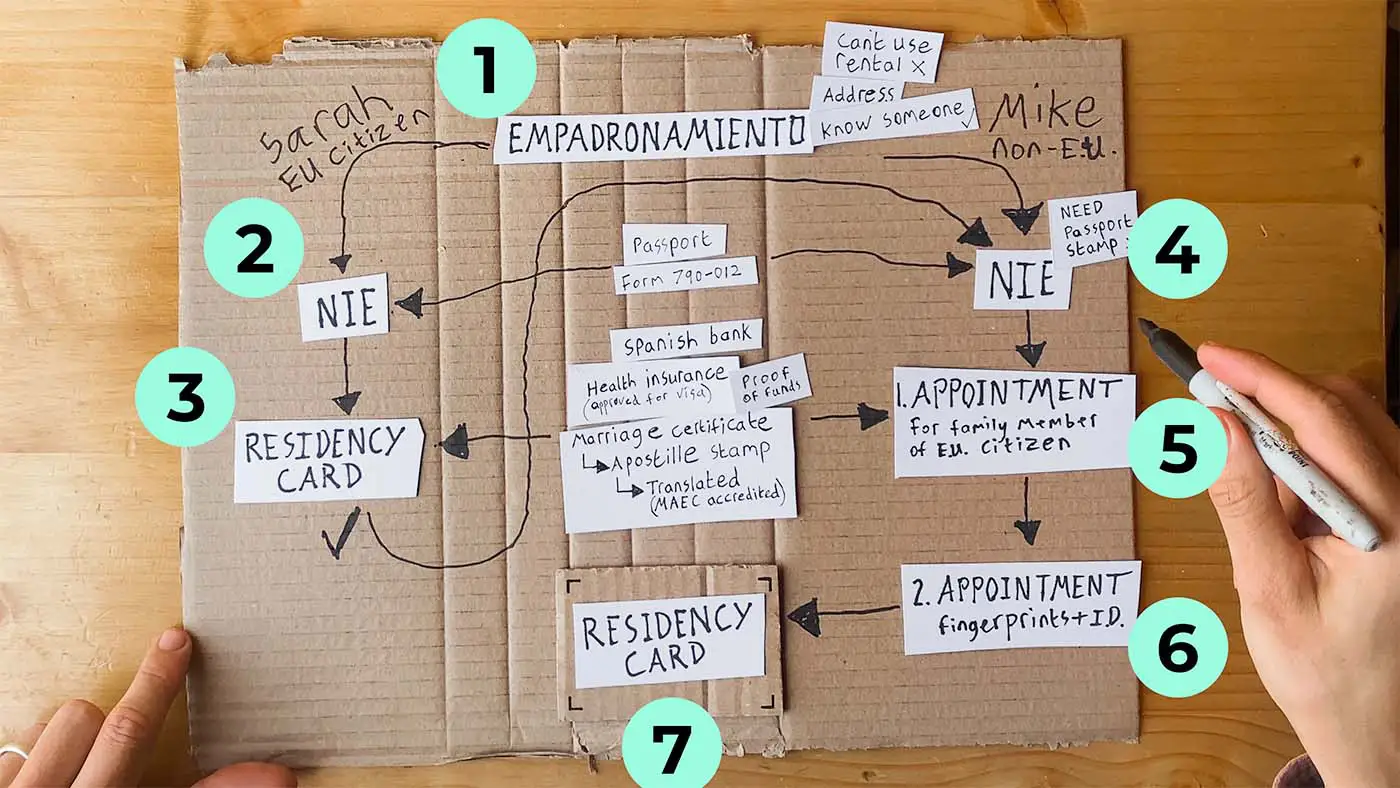
1. Empadronamiento Registration
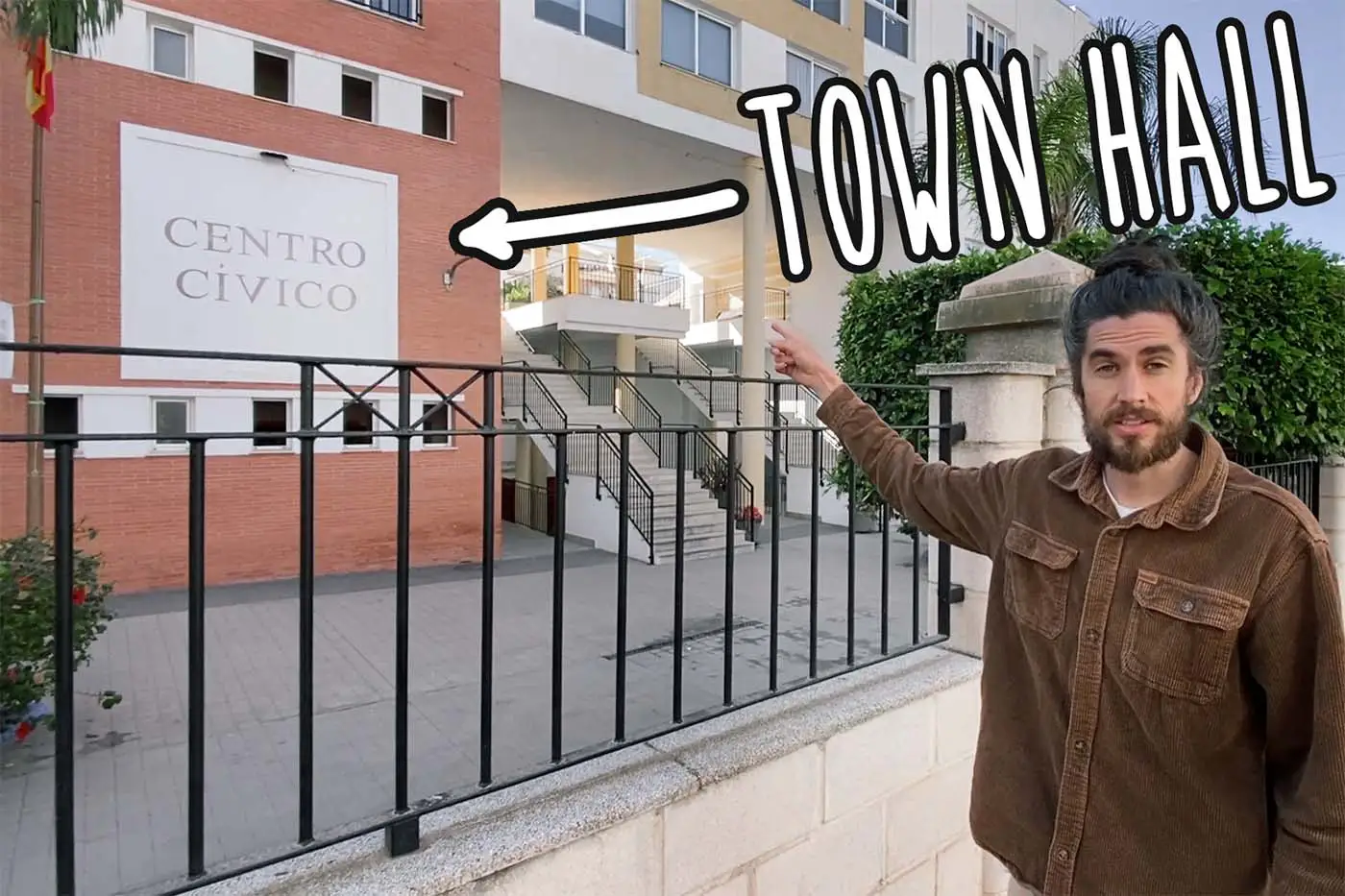
It’s basically like registering on the local census and it’s done at a local town hall. The problem is many landlords won’t let you use their address for official things like the Empadronamiento. Actually, as we found out, many landlords won’t even rent to foreigners.
Luckily we met someone through a housesit we did up in the Alpujarra. She let us use her address. Without her, we wouldn’t have been able to continue with any of this.
This was the start of our first realisation in Spain: you have to know someone. At pretty much every stage of this process, knowing someone gets you there quicker/easier/cheaper/at all.
The empadronamiento came through by email the same week. That’s the first step, and entry point to this whole process, done.
Here’s what you need for your Empadronamiento registration:
- Appointment booked (cita previa appointment)
- An official address where you can be registered. If you’re not on the deeds of the property you’ll need explicit written permission from the landlord along with their contact details.
- Passports
2. Sarah’s NIE number
My right to residency in Spain is derived from Sarah’s residency status. So Sarah has to get her residency first. And that goes like this….
She needs a NIE number. This is just like a personal ID number, used throughout the Spanish system. Without a NIE you can’t do things like open a bank account – or book an appointment to get your NIE.
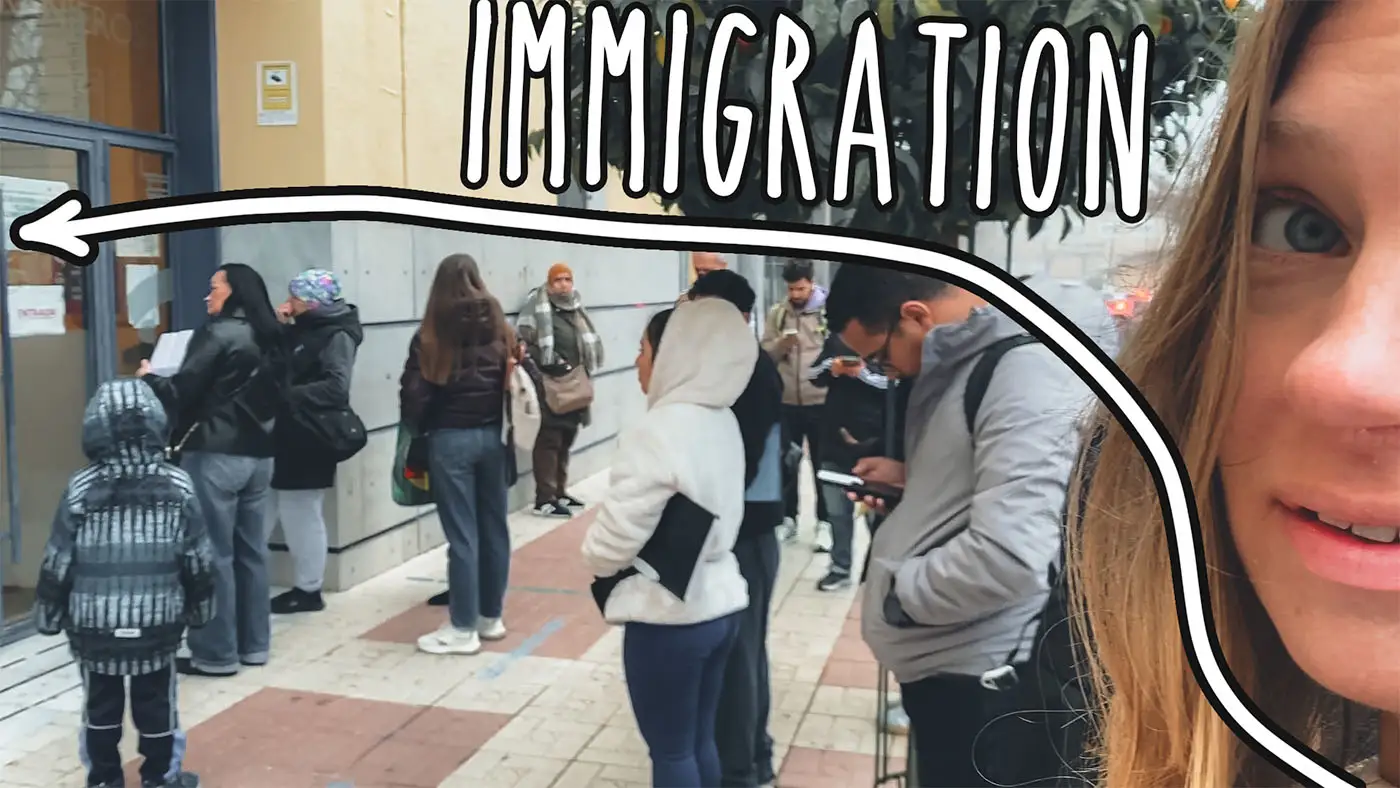
To get a NIE, you need to get an appointment at the closest immigration police station. For us it’s Granada (3 hour round trip), but later on they switched to Baza (5 hour trip).
Here’s what you need to get your NIE number:
- Appointment booked (book cita previa appointment)
- Tax/fee payment receipt for the appointment (tax Model 790 Code 012 form)
- passport
- Justification for requesting a NIE
- EX15 form filled in (EX15 form)
2a. Booking the appointment (Cita previa)
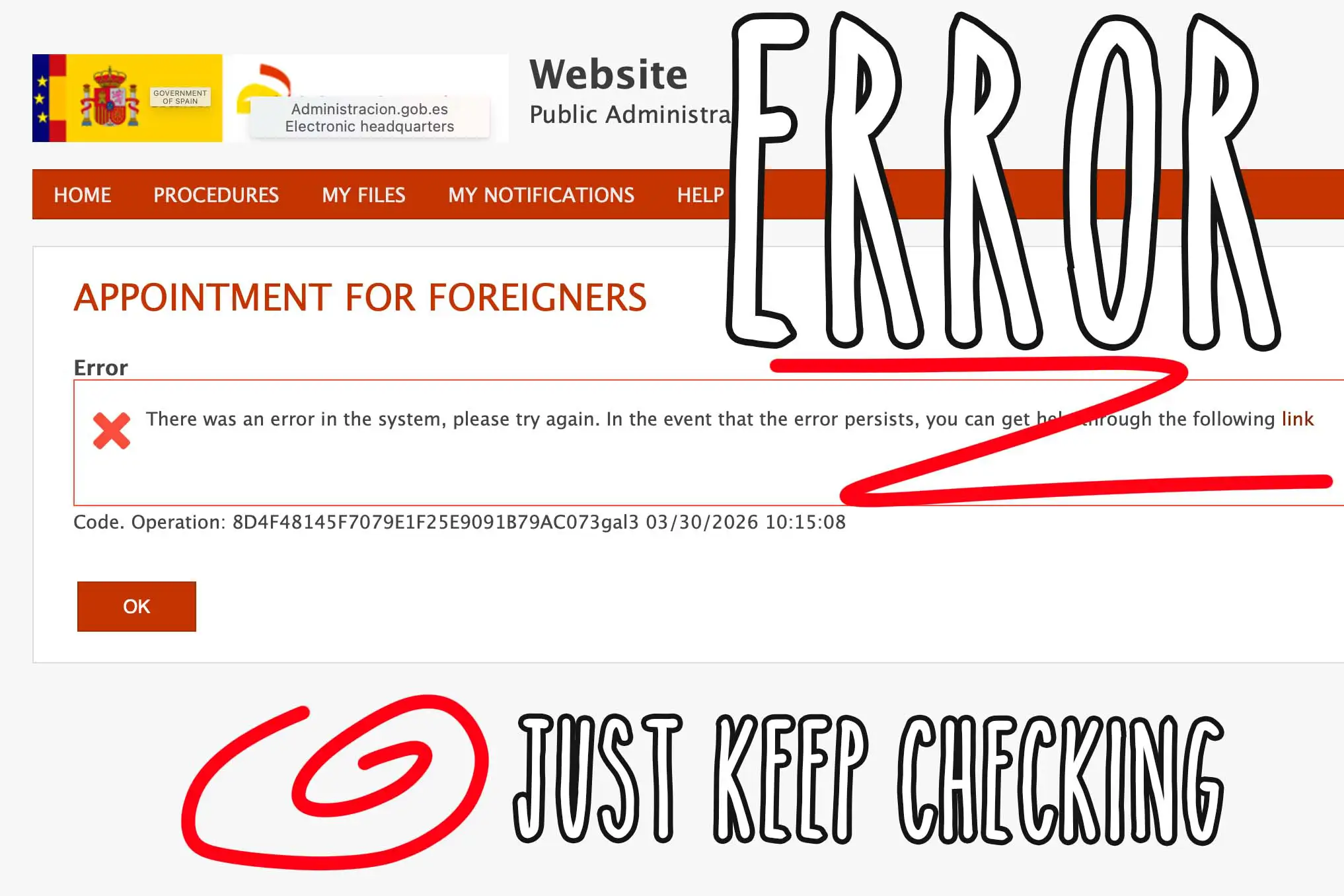
The appointments are hard to get and most of the time the website has an error. Or it doesn’t even load at all. We had to check it multiple times a day for a few weeks. Later on we figured out that it works on Tuesday and Thursday mornings from 8AM.
Once you get an appointment there’s no information about what documents you need to bring. The main thing is you have to do is pre-pay for the appointment, but you cannot easily do this online as you might expect. I’ll explain in 2b.
2b. Paying for the appointment
You must fill in a specific tax form form online (Model 790 Code 012), print it out and take it to the bank to pay the fee. Most Spanish people use the banks ATM machines to pay this fee. However, an NIE number is required to process the payment. So you have to go into the bank and pay with cash. The next problem is that many banks won’t let you pay this fee if you’re not a member of the bank, even with cash.
But you can’t be a member of the bank if you don’t have an NIE, which is the very thing you’re trying to get.
The way out of a Spanish catch-22 is by someone doing you a favour, which requires a bit of luck.
Santander is the best bet for paying the fee. They’re used to foreigners and more willing to help. However, the next problem, you can only pay these tax forms before 10:30am, and they’ll only accept cash. And some branches only accept cash on Tuesdays and Thursdays. Yeah, it’s mad. So you need to plan well in advance of the appointment.
Once you pay the fee you must take the payment receipt to your appointment. Without that tax/fee receipt, nothing can be done and you’ll be sent away. We got to Sarah’s appointment in Granada but after waiting a few hours the system went down, so we got sent away regardless.
It takes weeks to book another appointment. But on the 2nd one, it’s done; Sarah got her NIE number. A small step that felt like a huge victory.
3. Sarah’s residency appointment
Similar process to above, you have to keep checking the website for an appointment. It’s the same place in Granada (Police station) but this time it’s for residency.
You need:
- Appointment (cita previa appointment)
- Tax/fee payment receipt for the appointment (tax Model 790 Code 012 form)
- Proof of health insurance. This must pass specific requirements like having no copayments/excess. The best thing is to get a policy designed for residency compatibility from a Spanish insurer. We used Asisa. You’ll need to open a Spanish bank account to pay for the insurance.
- Proof of funds. This seems to be different depending on who you ask but generally they want to see that you have some money and/or income to live on.
- EX18 form for EU citizens (EX18 form)
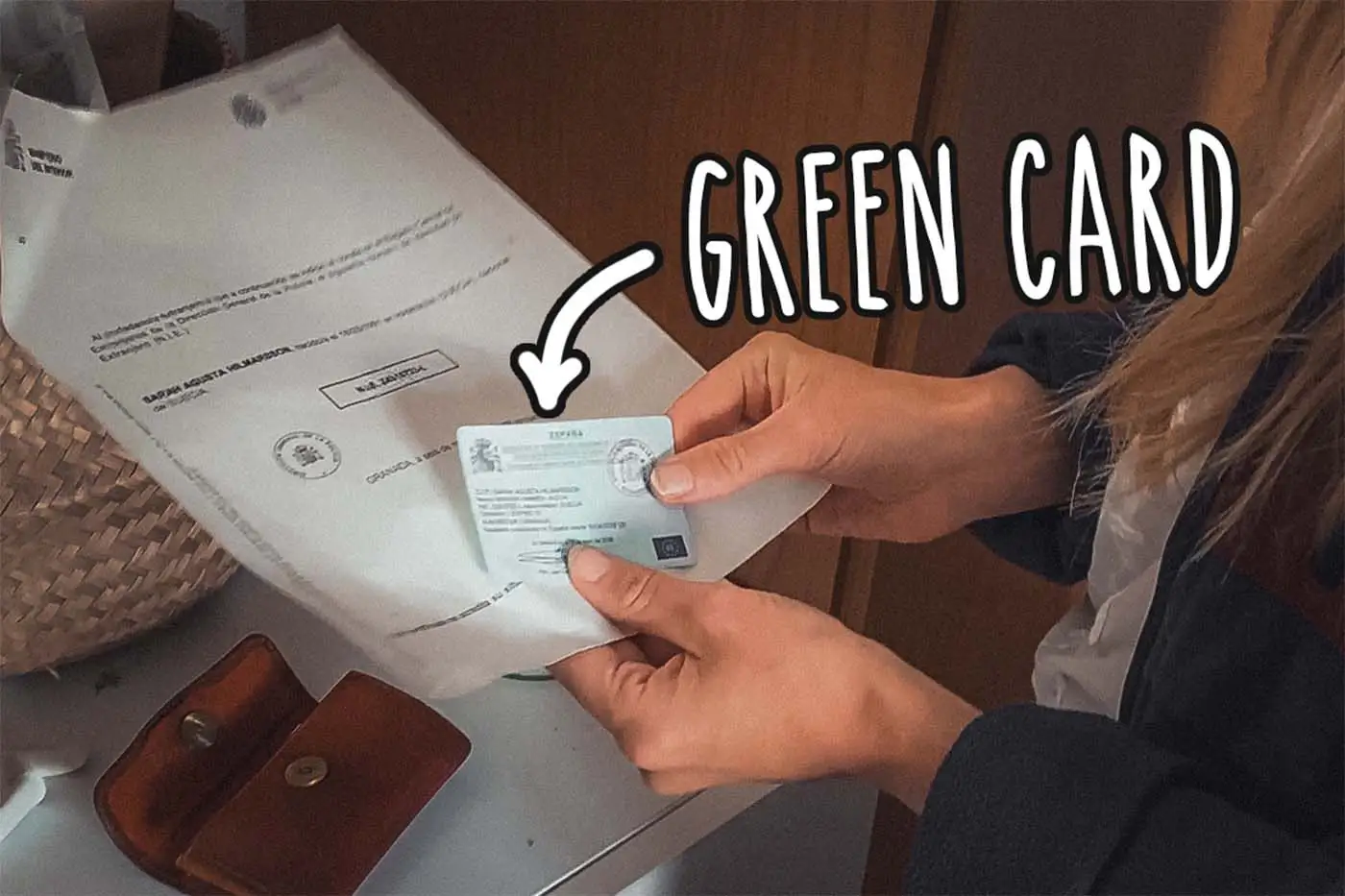
This one was fairly easy. They asked Sarah some questions and she walked out with a ‘green card’. This is official proof of residency for EU citizens only – not a plastic biometric ID card as for third-country nationals (me).
Sarah’s bit is now done. Now I can start my process, since it’s based on Sarah’s residency status.
4. Now I get my NIE appointment
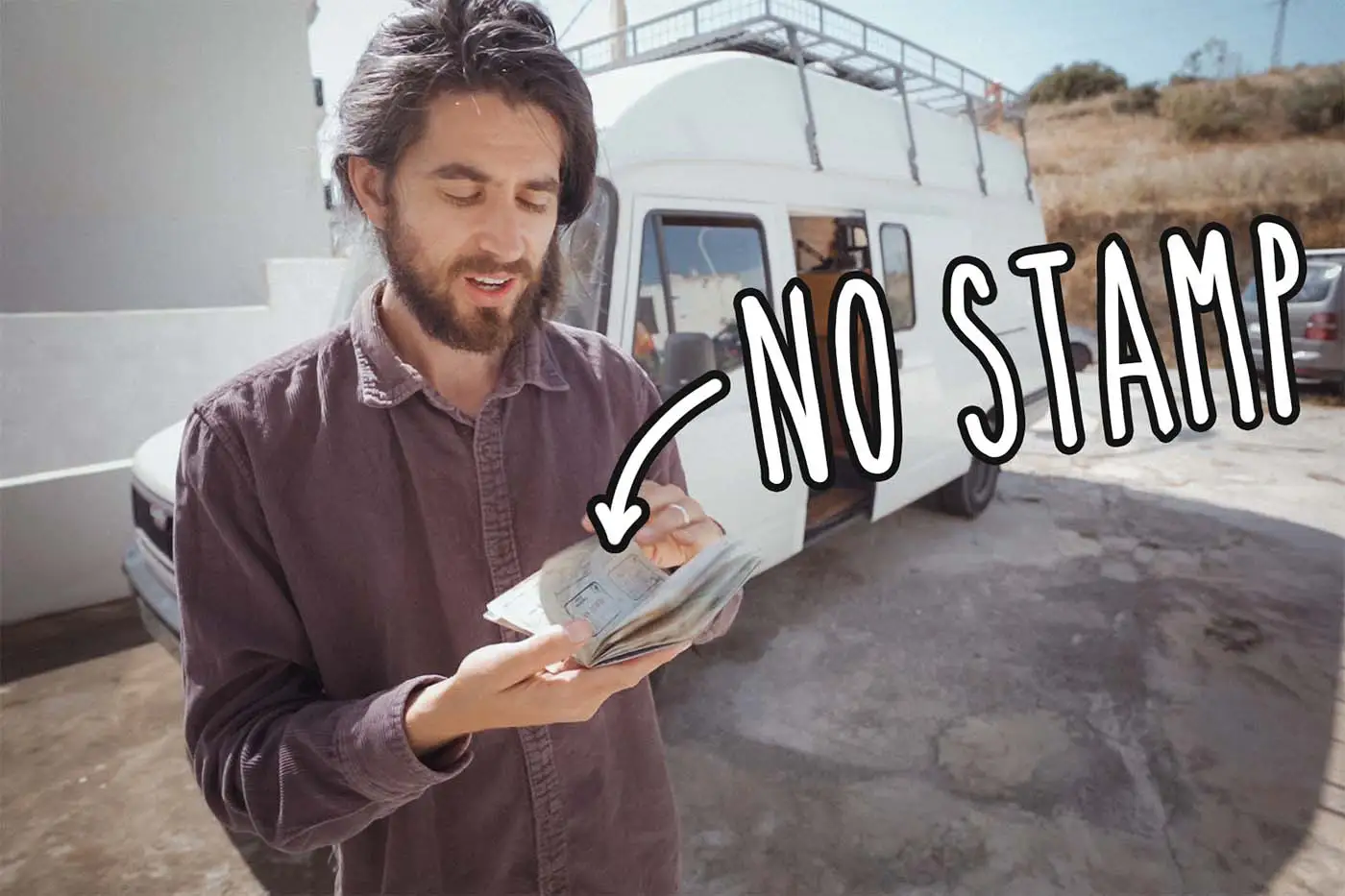
A few more weeks to get an appointment and another long drive to Granada, I got turned away because my passport doesn’t have a stamp in it. I drove into Spain from France; there’s no Spanish stamp. I showed him proof of ferry crossing to France but it wasn’t enough.
At this point my choice was to either go straight to residency application without a NIE, or to try and get a stamp in my passport from the consulate or something.
Either way, it’s weeks before I get another appointment and at this point I’d gone over my 90/180 day EU visa. I mentioned that to the police guy and he just shrugged, which put me at ease.
Here’s what you need for the NIE appointment:
- Appointment booked (book cita previa appointment)
- Spanish stamp in passport. I didn’t have this because we drove through France to get to Spain.
- Tax/fee payment receipt for the appointment: tax Model 790 Code 012 form)
- EX15 form filled in (EX15 form)
*As I learnt later on, you don’t need to explicitly apply for a NIE number. The NIE will be generated as part of the application process (step 5 below).
5. My residency appointment
I chose to go straight to a residency appointment in the hope they would generate the NIE number as part of that process. And that’s exactly what happened.
Something I noticed at the police station: the uniformed police are much less willing to help. The people in normal clothes are the friendly ones who will help you.
You need:
- Appointment booked (book cita previa appointment)
- EX17 form filled in – this one is like the EX18 form Sarah did but for non-EU citizen (EX17 form)
- Tax/fee payment receipt for the appointment (tax Model 790 Code 012 form)
- Marriage certificate. This must have an official apostille stamp (done in the UK) and must be translated into Spanish by an translator who’s accredited by the Spanish Ministry of Foreign Affairs (done in Spain)
- Proof of funds. There is no specific amount they want to see, and they might not even look at it. They basically want to be sure you wont be a burden on the state.
5b. Wait for application response
Spanish immigration must give you a response to your residency application within 3 months. In my case, that time passed without hearing anything from them. I chased them up I got a reply fairly quickly. They asked for the following documents to support my residency application:
- A ‘fresh’ marriage certificate issued in the last 3 months
- Proof of health insurance for me
I was given a deadline of 10 days. It was very tight as the marriage certificate needs to be issued by the general registry office in the UK then sent to get an apostille stamp before being sent to be translated into Spanish, and finally submitted to Spanish immigration.
The only way to meet this 10 day deadline was by paying for a priority document service and submitting the documents digitally.
I used a document service in the UK (1apostille.org.uk). They request the marriage certificate from the GRO which gets sent directly to them, speeding it up by a couple of days. They give it the apostille stamp and return it to me as a digital PDF.
5c. Register for Spain’s digital portal: Mercurio
To submit documents electronically (quickly) you need to register for Spain’s online digital portal.
This registration process can take quite a few hours, but once you’re registered it’s much easier to submit supporting documents and manage your application.
Again though, the website has a lot of errors and you may have to try different browsers and versions to get things to work.
6. Fingerprints and ID appointment
After submitting the documents I got an email the next day telling me they’ve been accepted and that I have an appointment to take my fingerprints, the very next day! The appointment was in Baza (5 hour round trip).
For the TIE appointment you need:
- Appointment booked. In this case it booked it for me, then sent me an email of the time and date – which happened to be the morning of the very next day.
- A printed passport photo
- Tax/fee payment receipt for the appointment (Tax Model 790 Code 012)
- EX17 form. I’d already done this months ago and handed it into the Granada office during my initial residency appointment. But they needed another one. Luckily I could camp in my van and come back the next day with the form.
7. Residency card pending
With all the above done, I’m now waiting for my residency card, which gets made in Madrid and posted to the police station where I have to pick it up. It takes 4 weeks.
Conclusion
I haven’t gone into detail about all the difficulties in this whole process (it’s boring enough as it is). The immigration process is hostile and defensive by nature. And it makes sense, I guess.
But even when it’s a simple case and your rights are clearly laid out (e.g. in my case here with the EU law above), it can feel like you’re doing something illegal and you’re met with blocks at almost every step, for which you have to find workarounds. You cannot rush the Spanish authorities. The moment you get impatient is the moment you lose and they will stop helping you.
In total, this whole process took us 7 months.
I don’t recommend trying to get your residency in Spain without the help of a gestor or lawyer. With all the time, stress and fuel costs, a gestor would probably have been worth it, and maybe even cheaper with the amount of travelling we had to do.
For context, we did all of the above in spring/summer 2026 when Spain had just made the decision to grant legal status to undocumented migrants living in the country. Spain’s immigration received well over 1 million applications in a very short amount of time, which overwhelmed the system leading to backlogs and delays.
But with that issue aside, whilst the people are generally very helpful, the system is not designed with any kind of efficiency, consistency or clarity. And it must be that way for a reason.
Anyway, I hope this post can help anyone else looking to get Spanish residency with their EU spouse. Good luck.